.webp)
Type 2 Diabetes Ayurvedic Treatment & Diabetes Care
Type 2 Diabetes is more than a high blood sugar reading — understand your Blood Sugar Test, health history, lifestyle and underlying health factors through a report-based Ayurveda approach.
Diabetes Recovery
How report-based Ayurveda brought his sugar under control.
Understanding Type 2 Diabetes Ayurvedic Treatment & Diabetes Care
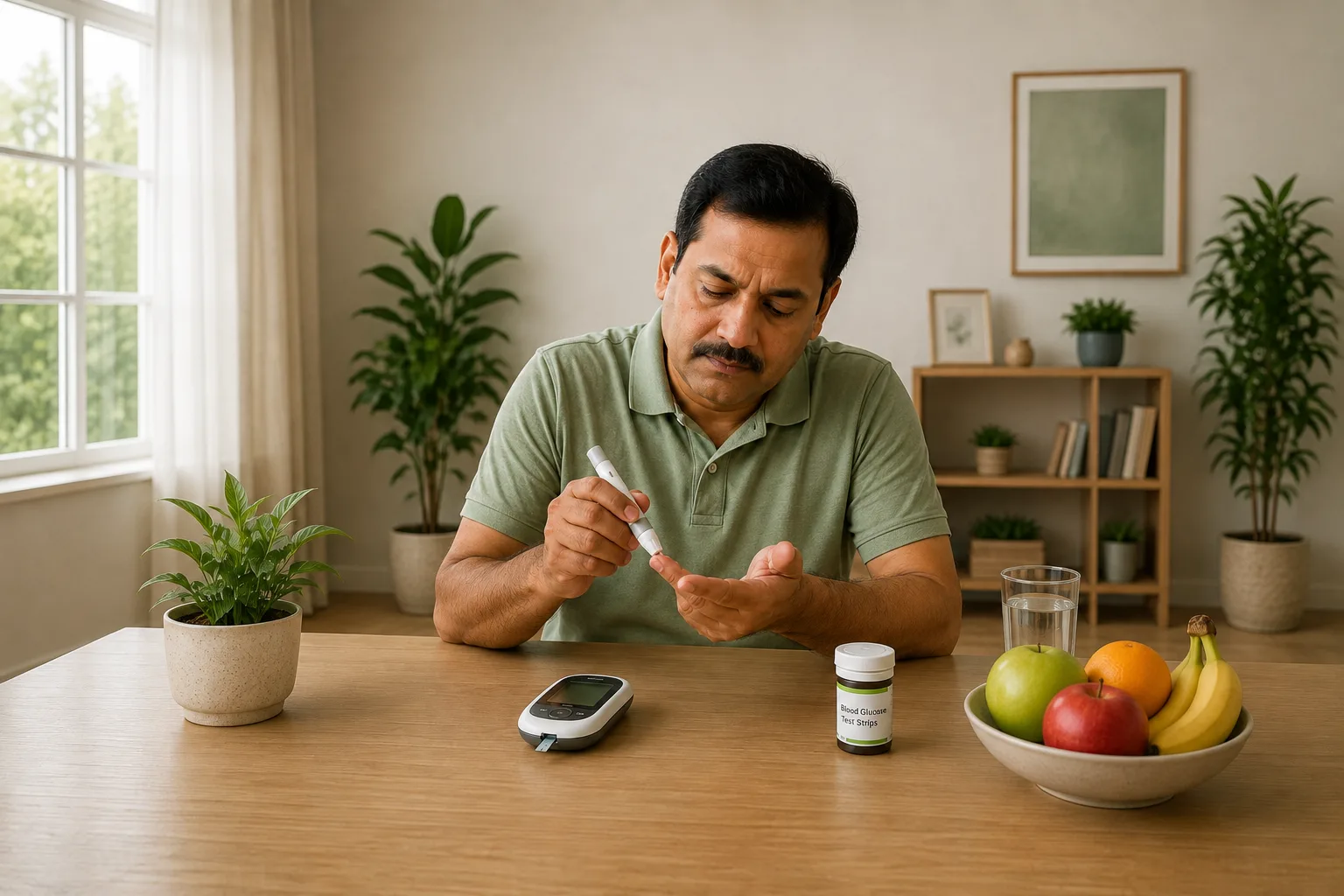
Type 2 Diabetes is a long-term condition in which blood glucose remains too high because the body does not use insulin effectively and, over time, may also be unable to produce enough insulin to maintain normal blood glucose levels. It can develop gradually, and some people may have few or no noticeable symptoms for a long time. Symptoms such as increased thirst, frequent urination, tiredness, blurred vision or unexplained weight loss can occur with diabetes, but symptoms alone cannot establish a diagnosis. Blood testing is used to diagnose diabetes and prediabetes. At Green Zone Nature Ayurveda, the treatment journey begins with understanding available medical reports, Blood Sugar Test results, previous investigations, health history, current symptoms, medicines, diet, physical activity, sleep, weight-related factors and other relevant health information. Our Ayurvedic doctors then assess the broader health picture before developing an appropriate Customized Ayurvedic treatment and ongoing follow-up approach. -Medical Reports First. Blood Sugar Assessment Next. Ayurveda Understanding After That. Customized Care With Regular Follow-Up.
Doctor-led, root-cause and report-based care — a plan made only for you.
Common Symptoms
What's Behind It
- Family History of Diabetes — Having a parent, brother or sister with Type 2 Diabetes can increase the likelihood of developing the condition.
- Overweight or Obesity — Excess body weight, particularly when associated with metabolic dysfunction, is an important risk factor for Type 2 Diabetes.
- Physical Inactivity — Low levels of regular physical activity can increase the risk of insulin resistance and Type 2 Diabetes.
- Prediabetes — Prediabetes means blood glucose is above the normal range but not yet within the diagnostic range for diabetes. It increases the future risk of Type 2 Diabetes.
- History of Gestational Diabetes — People who have had Gestational Diabetes have an increased risk of developing Type 2 Diabetes later in life.
- High Blood Pressure — Hypertension is an important risk factor associated with Type 2 Diabetes and is also relevant to diabetes-related cardiovascular risk.
- Abnormal Cholesterol or Triglycerides — Unfavorable lipid patterns may occur alongside metabolic conditions associated with Type 2 Diabetes.
- Unhealthy Dietary Patterns — Overall dietary patterns and excessive calorie intake can contribute to weight gain and metabolic risk.
- Increasing Age — Type 2 Diabetes can occur at any age, but risk increases with age.
- Sleep, Stress & Daily Routine — Sleep patterns, stress and daily habits can influence broader metabolic health and can be relevant when developing a diabetes-care plan.
Risks & Complications
Diagnosis & Reports
Blood Sugar Test & Diabetes Diagnosis: Type 2 Diabetes is diagnosed through appropriate blood testing rather than symptoms alone. Blood Sugar Test — Blood glucose testing is used to identify diabetes and prediabetes. Accepted diagnostic tests include A1C, fasting plasma glucose, a 2-hour oral glucose tolerance test and, in specific situations, random plasma glucose with classic hyperglycemia symptoms or a hyperglycemic crisis. HbA1c / A1C — An A1C of 6.5% or higher falls within the diabetes diagnostic range. Fasting Plasma Glucose — A fasting plasma glucose level of 126 mg/dL or higher falls within the diabetes diagnostic range. 2-Hour Glucose Test — A 2-hour plasma glucose level of 200 mg/dL or higher during a 75-g oral glucose tolerance test falls within the diabetes diagnostic range. Prediabetes Testing — Prediabetes is generally identified by A1C of 5.7–6.4%, fasting plasma glucose of 100–125 mg/dL, or 2-hour glucose of 140–199 mg/dL during a 75-g OGTT. Confirmatory Testing — When there is no unequivocal hyperglycemia, diagnosis generally requires confirmatory abnormal testing rather than relying on one isolated result. Types of Diabetes Context Types of Diabetes — Diabetes includes different clinical categories, including Type 1 Diabetes, Type 2 Diabetes and Gestational Diabetes, along with other specific types. Type 1 and Type 2 Diabetes have different underlying mechanisms and treatment requirements. Type 1 and Type 2 Diabetes — Although both involve elevated blood glucose, Type 1 and Type 2 Diabetes are medically distinct and should not be treated as the same condition.
Ayurvedic Understanding of Type 2 Diabetes Ayurvedic Treatment & Diabetes Care
Ayurveda Understanding of Type 2 Diabetes Ayurveda traditionally considers digestion, metabolism, diet, lifestyle, daily routine and overall health as interconnected aspects of health. At Green Zone Nature Ayurveda, this Ayurveda assessment is considered after reviewing available medical reports and blood sugar information. Prakriti & Dosha Assessment — The Ayurvedic doctor may consider Prakriti and Dosha-related factors as part of the broader health assessment. Agni & Digestive Health — Digestion, appetite, meal patterns and metabolic functioning may be considered within the Ayurveda framework. Diet & Daily Routine — Food habits, meal timing, physical activity, sleep and daily routine may be reviewed as part of the overall assessment. Metabolic Health — Modern diabetes management also considers blood glucose, body weight, physical activity and other metabolic risk factors. Appropriate lifestyle management remains an important part of diabetes care. Medical Reports Remain Central — Available Blood Sugar Test results, A1C, previous investigations, current medicines and other relevant health information are reviewed before Ayurvedic treatment planning. Keywords Used Tracker
The Green Zone Approach
At Green Zone Nature Ayurveda, the treatment journey begins by understanding the patient's medical reports and Blood Sugar Test results. We do not look at a single blood sugar value in isolation. Available A1C reports, fasting glucose, post-meal glucose, previous treatment, medicines, symptoms, dietary habits, physical activity, sleep, weight and relevant health information may all contribute to understanding the broader health picture. Medical Reports First — Available diabetes reports and Blood Sugar Test results are reviewed. Detailed Assessment Next — Symptoms, diabetes history, lifestyle, diet, previous treatment and relevant health factors are assessed. Ayurveda Understanding After That — The broader health picture is considered through Ayurved principles. Customized Care — Where appropriate, Ayurvedic treatment, Diabetic Diet guidance and lifestyle support are planned according to the assessment. Regular Follow-Up — Blood sugar information, symptoms and treatment response are reviewed over time. Green Zone Treatment Flow: Medical Reports → Blood Sugar Test Review → Detailed Assessment → Ayurveda Understanding → Customized Ayurvedic Care → Diet & Lifestyle Guidance → Continuous Follow-Up
- 1
Medical Reports & Blood Sugar Review
Available Blood Sugar Test results, A1C, fasting glucose, post-meal glucose, previous diabetes reports, medicines and treatment history are reviewed as the starting point.
- 2
Detailed Diabetes Assessment
Symptoms, diabetes history, diet, physical activity, sleep, weight and other relevant health factors are assessed.
- 3
Understanding the Health Picture
Available medical information and assessment findings are considered together to understand the individual's Type 2 Diabetes management requirements.
- 4
Ayurveda Understanding of Your Health
The health picture is considered through Ayurved principles including Prakriti, Doshas, Agni, digestion, diet, metabolism and daily routine.
- 5
Customized Ayurvedic Treatment Plan
An appropriate treatment approach is developed according to medical information, assessment findings and Ayurveda understanding.
- 6
Guided Care & Lifestyle Support
Recommended Ayurvedic care, Diabetic Diet guidance and lifestyle measures are followed according to the individual's health requirements.
- 7
Ongoing Treatment Review & Blood Sugar Monitoring
Available glucose reports, symptoms, lifestyle changes, treatment response and changing requirements are reviewed during follow-up.
Our Treatment Approach
Medical Reports & Blood Sugar Review
Available Blood Sugar Test results, A1C, fasting or post-meal glucose reports, previous investigations, medicines and previous treatment records are reviewed first.
Detailed Diabetes Assessment
Diabetes history, symptoms, blood sugar patterns, dietary habits, physical activity, sleep, weight and other relevant health factors are considered.
Ayurveda Clinical Assessment
After reviewing the medical information, the Ayurvedic doctor considers Prakriti, Doshas, Agni, digestion, metabolism, diet, lifestyle and daily routine.
Customized Ayurvedic Treatment
Where appropriate, Ayurved medicines and other interventions may be planned according to the available reports, assessment findings and health requirements. The treatment should not be presented as a guaranteed cure or as a reason to discontinue prescribed diabetes medicines or insulin.
Diabetic Diet Guidance
A Diabetic Diet approach may address meal structure, portion awareness, carbohydrate-containing foods, food quality, meal timing and other dietary habits according to the individual's health requirements.
Lifestyle & Daily Routine Guidance
Appropriate guidance may address physical activity, sleep, stress management and daily routine as part of broader diabetes management.
Diabetic Neuropathy & Foot-Related Support
Symptoms such as burning, numbness, tingling or reduced sensation may be identified during assessment, while foot changes such as cuts, blisters, redness or sores should receive appropriate medical attention.
Regular Follow-Up & Treatment Review
Blood sugar information, symptoms, lifestyle changes, treatment response and changing health requirements are reviewed throughout ongoing care.
Diet & Lifestyle
Recommended
- Whole grains and high-fibre foods
- Plenty of non-starchy vegetables
- Balanced meals with appropriate portions
- Adequate hydration
- Regular physical activity as appropriate
- Consistent meal patterns
Best Avoided
- Added sugars, sweets and sugary desserts
- Excess refined carbohydrates
- Fried and heavily processed foods
- Sugary drinks and packaged juices
- Frequent late-night heavy meals
What Results to Expect
Support for Type 2 Diabetes Management — A structured approach focused on blood glucose, lifestyle factors, medical information and ongoing health requirements.
Support for Blood Sugar Management — Regular assessment and appropriate diabetes care can support ongoing blood glucose management as part of a broader medical plan.
Support for Healthy Dietary Habits — Customized Diabetic Diet guidance may support structured food choices, portion awareness and sustainable dietary routines.
Support for Active Lifestyle — Appropriate physical activity and daily-routine guidance may support broader metabolic health.
Support for Diabetes-Related Symptom Management — Ongoing assessment can help monitor relevant symptoms and identify changes requiring additional medical evaluation.
Long-Term Diabetes Health Support — Continued follow-up supports ongoing review of blood sugar information, lifestyle practices and diabetes-related health requirements.
When to Consult a Doctor
- Abnormal Blood Sugar Test Results — Abnormal glucose or A1C results should be discussed with an appropriate healthcare professional rather than being self-interpreted.
- Repeatedly High Blood Sugar — Persistent elevated glucose readings despite an existing treatment plan may require reassessment.
- Diabetic Neuropathy Symptoms — Burning, tingling, numbness, reduced sensation or nerve pain in the hands or feet should be medically evaluated.
- Diabetic Foot Problems — New cuts, blisters, swelling, redness, sores or wounds on the feet should receive appropriate medical attention.
- Vision Changes — New or persistent changes in vision should be medically evaluated.
- Very High or Very Low Blood Sugar Symptoms — Severe weakness, confusion, vomiting, breathing difficulty or other serious symptoms associated with major glucose abnormalities require urgent medical attention.
- Endocrinologist Consultation — An Endocrinologist may be appropriate when diabetes is difficult to control, the diagnosis is uncertain, complications are present, or specialized diabetes management is required.
Modern Medicine vs Ayurveda
| Aspect | Modern Medicine | Green Zone Ayurveda |
|---|---|---|
| Focus | Manages symptoms | Treats the root cause |
| Treatment | Often one-size-fits-all | Customized to your reports |
| Medication | Can mean lifelong dependence | Aims to reduce dependence over time |
| Diet & lifestyle | Secondary | Central to the plan |
| Approach | Condition in isolation | Whole-body balance |
| Goal | Symptom control | Lasting wellness & prevention |
Why Patients Trust Green Zone
15+
Years of experience
1000s
Patients guided
3
Centres across India
100%
Report-based plans
Doctors Who Treat Type 2 Diabetes Ayurvedic Treatment & Diabetes Care
-1.webp)
Dr. Neha Mahajan | Ayurvedic Doctor & Founder
BAMS · Clinical Psychologist · International Yoga Teacher
Patient Reviews
Read how our root-cause, report-based care has helped patients find lasting balance and better health.
Frequently Asked Questions
Type 2 Diabetes is a chronic condition involving insulin resistance and progressive difficulty maintaining healthy blood glucose levels. Symptoms can develop slowly, and some people may have few or no obvious symptoms.
High Blood Sugar Symptoms can include increased thirst, frequent urination, increased hunger, tiredness, blurred vision and unexplained weight loss. Some people with Type 2 Diabetes may have very mild symptoms or no obvious symptoms.
A Blood Sugar Test measures glucose levels and can be used for diabetes screening, diagnosis or monitoring. A1C, fasting plasma glucose and oral glucose tolerance testing are among the accepted diagnostic approaches.
Types of Diabetes include Type 1 Diabetes, Type 2 Diabetes, Gestational Diabetes and other specific forms. Type 1 and Type 2 Diabetes have different underlying mechanisms and treatment requirements.
Type 1 and Type 2 Diabetes both involve high blood glucose but have different underlying mechanisms. Type 1 generally involves autoimmune destruction of insulin-producing beta cells, whereas Type 2 generally involves insulin resistance and progressive insulin insufficiency
Prediabetes means blood glucose is above the normal range but below the diagnostic range for diabetes. It is associated with an increased future risk of Type 2 Diabetes.
Gestational Diabetes develops during pregnancy. It is distinct from Type 2 Diabetes, although a history of gestational diabetes is associated with an increased future risk of Type 2 Diabetes.
Diabetic Neuropathy is diabetes-related nerve damage. It can cause burning, tingling, pain, numbness or reduced sensation, particularly in the feet and legs.
Diabetic Foot and Diabetic Feet problems can include cuts, blisters, sores, infections or changes in sensation. Because diabetic neuropathy can reduce the ability to feel injuries, regular foot inspection is important.
An Endocrinologist may be appropriate when diabetes is difficult to control, the diagnosis is uncertain, complications are present or specialized diabetes management is required.
Ayurvedic care may be considered as part of a broader health-management approach after reviewing medical reports, Blood Sugar Test results, medicines, symptoms and lifestyle. At Green Zone, the approach begins with reports and assessment, followed by Ayurveda understanding, Customized care and regular follow-up. Ayurvedic care should not be used as a reason to stop prescribed diabetes medicines or insulin without medical supervision.
Green Zone follows a Medical Test-Based, Report-Based Ayurvedic Care approach. Available Blood Sugar Test results, A1C reports, previous investigations, diabetes history, medicines, symptoms, diet and lifestyle are reviewed first. This is followed by detailed assessment, Ayurveda understanding, Customized treatment and continuous follow-up.
Related Conditions
Type 1 Diabetes Ayurvedic Care — Diabetes Management Through Ayurved
Type 1 Diabetes requires careful blood sugar monitoring and ongoing insulin management — understand your health through medical reports, detailed assessment and a supportive Ayurveda approach.
Fatty Liver Disease & Liver Disorders — Ayurvedic Care
Fatty Liver Disease and other Liver Disorders can remain unnoticed for a long time — understand your Liver Health through medical reports, detailed assessment and an Ayurveda approach.
Kidney Stones Treatment | Kidney Disease | Kidney disorders— Ayurvedic Care
Kidney Stones, Chronic Kidney Disease and other kidney conditions require more than symptom-based care — understand your kidney health through medical reports, kidney function assessment and a structured Ayurveda approach.
Hypothyroid Disease & Thyroid Disorders — Report-Based Ayurvedic Treatment
Thyroid health is more than a single TSH report — understand the possible factors behind your symptoms through medical reports, detailed assessment and an Ayurveda approach.
PCOS & PCOD Ayurvedic Treatment for Irregular Periods & Menstrual Health
PCOS & PCOD: Understand Your Hormonal Health, Menstrual Cycle & Overall Wellbeing
Joint & Spine Ayurvedic Treatment for Knee Pain, Arthritis & Joint Pain
Joint Pain, Knee Pain, Arthritis, Back Pain, and Joint Stiffness can affect movement and everyday comfort — understand the possible factors behind your joint and spine concerns.
Book Your First Free Consultation Today
Talk to Dr. Neha Mahajan and the Green Zone team — online or offline. Root-cause, report-based and personalised care, made only for you.
+91 8962625757 · centres@gzna.in