.webp)
Type 1 Diabetes Ayurvedic Care — Diabetes Management Through Ayurved
Type 1 Diabetes requires careful blood sugar monitoring and ongoing insulin management — understand your health through medical reports, detailed assessment and a supportive Ayurveda approach.
Understanding Type 1 Diabetes Ayurvedic Care — Diabetes Management Through Ayurved
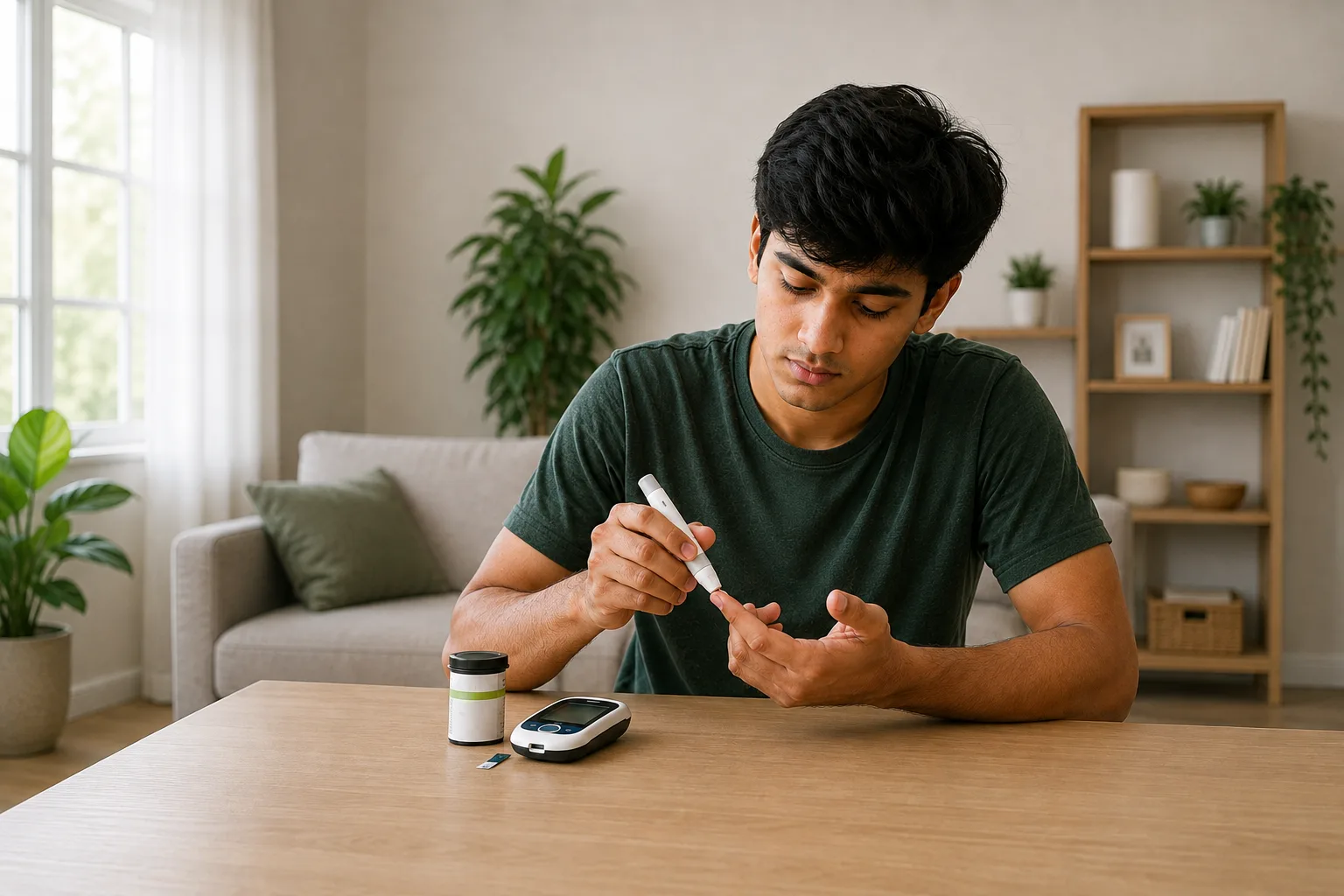
Type 1 Diabetes is a condition in which the immune system destroys the pancreatic beta cells that produce insulin, resulting in little or no insulin production. Because insulin is essential for people with Type 1 Diabetes, ongoing insulin treatment and glucose monitoring are central parts of medical management. Symptoms of Type 1 Diabetes may develop relatively quickly and can include increased urination, excessive thirst, increased hunger, fatigue, blurred vision and unexplained weight loss. In some people, particularly at diagnosis, symptoms of diabetic ketoacidosis can occur and require emergency treatment. At Green Zone Nature Ayurveda, the care journey begins with understanding available medical reports, Blood Sugar Test results, previous investigations, diabetes history, current treatment, insulin use, symptoms, lifestyle and other relevant health information. Our Ayurvedic doctors can then assess the broader health picture and, where appropriate, provide Customized Ayurveda supportive care alongside necessary medical diabetes management. -Medical Reports First → Blood Sugar Assessment → Detailed Health Assessment → Ayurveda Understanding → Customized Support → Regular Follow-Up
Doctor-led, root-cause and report-based care — a plan made only for you.
Common Symptoms
What's Behind It
- Autoimmune Destruction of Beta Cells — The immune system mistakenly attacks and destroys pancreatic beta cells that produce insulin.
- Insulin Deficiency — As beta-cell function is lost, the body produces little or no insulin, causing blood glucose to rise.
- Genetic Susceptibility — Certain genetic factors can increase the likelihood of developing Type 1 Diabetes.
- Family History — Type 1 Diabetes can run in families, although having a family member with the condition does not mean that another family member will necessarily develop it.
- Environmental Factors — Researchers are studying environmental factors that may contribute to the development of autoimmune Type 1 Diabetes in genetically susceptible individuals.
- Age at Onset — Type 1 Diabetes commonly develops in children and young adults but can occur at any age. Adults may sometimes develop more gradually progressing autoimmune diabetes, making classification more difficult.
- Other Autoimmune Conditions — People with Type 1 Diabetes may have an increased risk of certain other autoimmune diseases.
Risks & Complications
Diagnosis & Reports
Blood Sugar Test & Type 1 Diabetes Diagnosis: A Blood Sugar Test can establish that diabetes is present, but glucose testing alone does not always identify which type of diabetes a person has. Additional clinical information and, when appropriate, diabetes-specific tests may help distinguish Type 1 Diabetes from other forms. Blood Sugar Test — Blood glucose testing may include fasting plasma glucose, random plasma glucose and A1C. These tests help determine whether blood glucose is within the diabetes range. A1C Test — A1C reflects average blood glucose over approximately the previous three months and is one of the accepted diagnostic tests for diabetes. Fasting Plasma Glucose — Fasting glucose is measured after an overnight fast and is one of the established laboratory tests used in diagnosing diabetes. Random Plasma Glucose — In a person with classic symptoms of hyperglycemia or a hyperglycemic crisis, a sufficiently high random plasma glucose can establish diabetes. Autoantibody Testing — When Type 1 Diabetes is suspected, testing for diabetes-related autoantibodies can help identify autoimmune diabetes. C-Peptide Assessment Where Appropriate — Additional testing may sometimes help clinicians assess endogenous insulin production and clarify the type of diabetes in selected situations. Types of Diabetes Context Types of Diabetes — Diabetes includes several clinical categories, including Type 1 Diabetes, Type 2 Diabetes, Gestational Diabetes and other specific forms. The underlying causes and treatment requirements differ between these categories. Type 1 and Type 2 Diabetes — Although both conditions involve elevated blood glucose, Type 1 and Type 2 Diabetes have different underlying mechanisms. Type 1 involves autoimmune beta-cell destruction and severe insulin deficiency, while Type 2 generally involves insulin resistance and progressive insulin insufficiency. Green Zone Assessment: At Green Zone, available Blood Sugar Test reports, previous investigations, current insulin treatment, symptoms, diabetes history and other relevant medical information should be reviewed before Ayurveda supportive care is considered.
Ayurvedic Understanding of Type 1 Diabetes Ayurvedic Care — Diabetes Management Through Ayurved
Ayurveda nderstanding of Type 1 Diabetes: Ayurveda traditionally looks at digestion, metabolism, diet, lifestyle, daily routine and broader physiological balance as interconnected areas of health. For Type 1 Diabetes, however, this Ayurveda framework must be considered alongside the medical reality of insulin deficiency. Type 1 Diabetes requires insulin treatment, and Ayurvedic care should not be positioned as a replacement for insulin. Prakriti & Dosha Assessment — The Ayurvedic doctor may consider Prakriti and Dosha-related factors as part of the broader health assessment. Agni & Digestive Health — Digestion, appetite, meal patterns and digestive functioning may be considered within the Ayurveda framework. Daily Routine & Lifestyle — Sleep, activity, daily routine, stress and other lifestyle factors may be reviewed as part of supportive health assessment. Overall Health Assessment — Ayurveda evaluation may consider the person's broader health rather than focusing only on glucose values. Medical Reports Remain Central — Blood glucose information, A1C, insulin treatment, glucose-monitoring records and other medical information remain essential when assessing Type 1 Diabetes. Green Zone Philosophy: Medical Reports → Blood Sugar Assessment → Health Assessment → Ayurveda Understanding → Customized Support → Continuous Follow-Up Important Medical Context: Green Zone should not position Ayurvedic treatment as a way to replace insulin, reverse autoimmune beta-cell destruction or independently manage DKA or severe hypoglycemia. Any change to insulin or other prescribed diabetes treatment should be made only with the treating medical team.
The Green Zone Approach
Medical Test-Based, Report-Based Ayurveda Type 1 Diabetes Care At Green Zone Nature Ayurveda, the Type 1 Diabetes care journey begins with understanding the patient's medical reports and blood glucose information. We do not look at a single glucose reading in isolation. Available A1C results, Blood Sugar Test reports, glucose-monitoring records, insulin treatment, previous investigations, symptoms, lifestyle and other relevant health information may all contribute to understanding the broader health picture. Medical Reports First — Blood glucose reports, A1C and other relevant medical information are reviewed. Detailed Assessment Next — Diabetes history, insulin management, symptoms, lifestyle and health factors are assessed. Ayurveda Understanding After That — The broader health picture is considered through Ayurved principles. Customized Support — Where appropriate, Ayurveda supportive care and lifestyle guidance are planned without replacing necessary insulin treatment. Continuous Follow-Up — Symptoms, glucose information, lifestyle changes and treatment response are reviewed over time. Green Zone Treatment Flow: Medical Reports → Blood Sugar Test Review → Detailed Assessment → Ayurveda Understanding → Customized Ayurveda Support → Lifestyle Guidance → Continuous Follow-Up
- 1
Medical Reports & Blood Sugar Review
Available Blood Sugar Test results, A1C, glucose-monitoring records, insulin information and previous medical reports are reviewed as the starting point.
- 2
Detailed Diabetes Assessment
Diabetes history, insulin routine, glucose patterns, symptoms, lifestyle, sleep, physical activity and previous complications are assessed.
- 3
Understanding the Health Picture
Available medical information and assessment findings are considered together to understand the individual's current Type 1 Diabetes management requirements.
- 4
Ayurvedic Understanding of Your Health
The health picture is considered through Ayurved principles including Prakriti, Doshas, Agni, digestion, lifestyle and daily routine.
- 5
Customized Ayurveda Support Plan
Where appropriate, supportive Ayurvedic care is planned according to the individual's assessment while maintaining the necessary medical diabetes treatment.
- 6
Guided Support & Lifestyle Management
Appropriate lifestyle, daily-routine and supportive Ayurved measures are followed alongside the established diabetes-management plan.
- 7
Ongoing Treatment Review & Blood Sugar Monitoring
Available glucose information, symptoms, lifestyle changes, treatment response and changing health requirements are reviewed throughout continued follow-up.
Our Treatment Approach
Medical Reports & Blood Sugar Review
Available Blood Sugar Test results, A1C reports, glucose-monitoring records, insulin information, previous investigations and relevant medical records are reviewed first.
Detailed Diabetes Assessment
Diabetes history, current insulin routine, glucose patterns, symptoms, previous complications, lifestyle, sleep, physical activity and other relevant health factors are assessed.
Understanding the Individual Health Picture
Available medical information and health history are considered together to understand the person's current health requirements without treating Type 1 Diabetes as the same condition as other forms of diabetes.
Ayurveda Clinical Assessment
After reviewing medical information, the Ayurvedic doctor considers Prakriti, Doshas, Agni, digestion, lifestyle, daily routine and broader health factors through an Ayurveda framework.
Customized Ayurveda Support
Where appropriate, Ayurvedic care may be incorporated to support broader well-being and lifestyle management alongside the person's necessary diabetes treatment. It should not be presented as a replacement for insulin or other essential medical care.
Lifestyle & Daily Routine Guidance
Appropriate guidance may address sleep, activity, daily routine, stress management and other supportive lifestyle factors while respecting the person's insulin and glucose-management plan.
Diabetic Neuropathy & Foot-Related Support
Symptoms such as burning, tingling, numbness or reduced sensation may be identified during assessment, while cuts, sores, swelling or other foot changes should receive appropriate medical evaluation.
Regular Follow-Up & Treatment Review
Blood glucose information, symptoms, lifestyle factors, treatment response and changing health requirements are reviewed during ongoing care.
Ayurvedic Medicines for Type 1 Diabetes Ayurvedic Care — Diabetes Management Through Ayurved
Prescribed only after assessment — never self-medicate.
Triphala
Supports digestion, gentle detox and metabolism.
Guggul
Traditionally used to support metabolism and joints.
Ashwagandha
Helps the body manage stress and restore balance.
Giloy
Supports immunity and overall vitality.
Diet & Lifestyle
Recommended
- Fresh, seasonal home-cooked meals
- Warm water and herbal teas
- Regular meal timings
- Light, easily digestible foods
Best Avoided
- Processed and packaged foods
- Excess sugar and refined carbs
- Cold, stale or fried foods
- Irregular eating and late nights
What Results to Expect
Support for Type 1 Diabetes Management — A structured approach focused on understanding available medical information, blood glucose patterns, lifestyle factors and ongoing health requirements.
Support for Blood Sugar Monitoring — Regular review of available Blood Sugar Test and glucose-monitoring information can support ongoing diabetes management alongside the treating medical team.
Support for Daily Health Management — Customized lifestyle and daily-routine guidance may support overall well-being while following the required diabetes-management plan.
Support for Diabetes-Related Symptom Management — Ongoing assessment can help identify relevant symptoms and changes requiring additional medical attention.
Support for Neuropathy & Foot Awareness — Regular attention to symptoms of Diabetic Neuropathy and changes in the Diabetic Foot can support early recognition of issues requiring medical evaluation.
Long-Term Diabetes Health Support — Continuous follow-up can support ongoing review of health information, lifestyle practices and changing care requirements.
When to Consult a Doctor
- Abnormal Blood Sugar Test Results — Abnormal glucose or A1C results should be reviewed by an appropriate healthcare professional rather than interpreted in isolation.
- New or Worsening Diabetic Neuropathy Symptoms — Burning, tingling, numbness, pain or reduced sensation in the feet or hands should be medically evaluated.
- Diabetic Foot Problems — Cuts, blisters, redness, swelling, sores, infections or wounds on the feet should receive prompt medical attention.
- Repeated Hypoglycemia — Frequent low blood glucose episodes or episodes that become difficult to recognize require review of the diabetes-management plan.
- Persistent High Glucose — Repeatedly elevated glucose despite the existing treatment plan should be discussed with the treating diabetes team.
- Ketone-Related Symptoms — Nausea, vomiting, abdominal pain, unusual tiredness, difficulty breathing, fruity-smelling breath or dehydration in a person with Type 1 Diabetes can indicate DKA and requires emergency medical treatment.
Modern Medicine vs Ayurveda
| Aspect | Modern Medicine | Green Zone Ayurveda |
|---|---|---|
| Focus | Manages symptoms | Treats the root cause |
| Treatment | Often one-size-fits-all | Customized to your reports |
| Medication | Can mean lifelong dependence | Aims to reduce dependence over time |
| Diet & lifestyle | Secondary | Central to the plan |
| Approach | Condition in isolation | Whole-body balance |
| Goal | Symptom control | Lasting wellness & prevention |
Why Patients Trust Green Zone
15+
Years of experience
1000s
Patients guided
3
Centres across India
100%
Report-based plans
Doctors Who Treat Type 1 Diabetes Ayurvedic Care — Diabetes Management Through Ayurved
-1.webp)
Dr. Neha Mahajan | Ayurvedic Doctor & Founder
BAMS · Clinical Psychologist · International Yoga Teacher
Patient Reviews
Read how our root-cause, report-based care has helped patients find lasting balance and better health.
Frequently Asked Questions
Type 1 Diabetes is a condition in which the immune system destroys the insulin-producing beta cells of the pancreas, resulting in little or no insulin production. Because the body cannot produce adequate insulin, insulin treatment is essential.
Symptoms can include increased urination, excessive thirst, increased hunger, fatigue, blurred vision and unexplained weight loss. Symptoms may develop quickly, particularly in children and younger people.
A Blood Sugar Test measures the amount of glucose in the blood. Blood glucose testing, along with A1C and other appropriate tests, can help diagnose diabetes.
Types of Diabetes include Type 1 Diabetes, Type 2 Diabetes, Gestational Diabetes and other specific forms of diabetes. The underlying causes and treatment requirements differ between these types.
Type 1 and Type 2 Diabetes both involve elevated blood glucose but have different underlying mechanisms. Type 1 Diabetes is generally caused by autoimmune destruction of insulin-producing beta cells, while Type 2 Diabetes generally involves insulin resistance and progressive insulin insufficiency.
Diabetic Neuropathy is nerve damage caused by diabetes. It can produce burning, tingling, pain, numbness or reduced sensation, particularly in the feet and legs.
A Diabetic Foot refers broadly to foot problems associated with diabetes, including wounds, ulcers, infections and other changes that can be more difficult to detect or heal when nerve damage or reduced blood flow is present.
Diabetic Feet should be checked regularly for cuts, blisters, redness, swelling, sores and other changes. Reduced sensation from Diabetic Neuropathy can make injuries difficult to notice, so new foot problems should receive medical attention promptly.
Yes. Insulin is essential medical treatment for Type 1 Diabetes because the condition involves little or no insulin production. The ADA's 2026 standards recommend insulin replacement through appropriate insulin regimens, with glucose monitoring and diabetes technology used according to the person's circumstances.
No. Ayurvedic care should not be presented as a replacement for insulin. Type 1 Diabetes requires insulin because the body's own insulin production is severely deficient or absent. Ayurvedic care, where appropriate, should remain complementary to necessary medical management.
Ayurvedic care may be considered as complementary support after reviewing medical reports, blood glucose information, current treatment and overall health. At Green Zone, the approach is: Medical Reports → Assessment → Ayurveda Understanding → Customized Support → Regular Follow-Up The purpose is to support broader health and lifestyle management without replacing necessary insulin treatment.
Green Zone follows a Medical Test-Based, Report-Based Ayurvedic Care approach. Available Blood Sugar Test reports, A1C results, glucose-monitoring information, insulin treatment, previous investigations, symptoms, lifestyle and other relevant health information are reviewed first. This is followed by detailed health assessment, Ayurveda understanding, Customized supportive care where appropriate and continuous follow-up.
Related Conditions
Type 2 Diabetes Ayurvedic Treatment & Diabetes Care
Type 2 Diabetes is more than a high blood sugar reading — understand your Blood Sugar Test, health history, lifestyle and underlying health factors through a report-based Ayurveda approach.
Fatty Liver Disease & Liver Disorders — Ayurvedic Care
Fatty Liver Disease and other Liver Disorders can remain unnoticed for a long time — understand your Liver Health through medical reports, detailed assessment and an Ayurveda approach.
Kidney Stones Treatment | Kidney Disease | Kidney disorders— Ayurvedic Care
Kidney Stones, Chronic Kidney Disease and other kidney conditions require more than symptom-based care — understand your kidney health through medical reports, kidney function assessment and a structured Ayurveda approach.
Hypothyroid Disease & Thyroid Disorders — Report-Based Ayurvedic Treatment
Thyroid health is more than a single TSH report — understand the possible factors behind your symptoms through medical reports, detailed assessment and an Ayurveda approach.
PCOS & PCOD Ayurvedic Treatment for Irregular Periods & Menstrual Health
PCOS & PCOD: Understand Your Hormonal Health, Menstrual Cycle & Overall Wellbeing
Joint & Spine Ayurvedic Treatment for Knee Pain, Arthritis & Joint Pain
Joint Pain, Knee Pain, Arthritis, Back Pain, and Joint Stiffness can affect movement and everyday comfort — understand the possible factors behind your joint and spine concerns.
Book Your First Free Consultation Today
Talk to Dr. Neha Mahajan and the Green Zone team — online or offline. Root-cause, report-based and personalised care, made only for you.
+91 8962625757 · centres@gzna.in